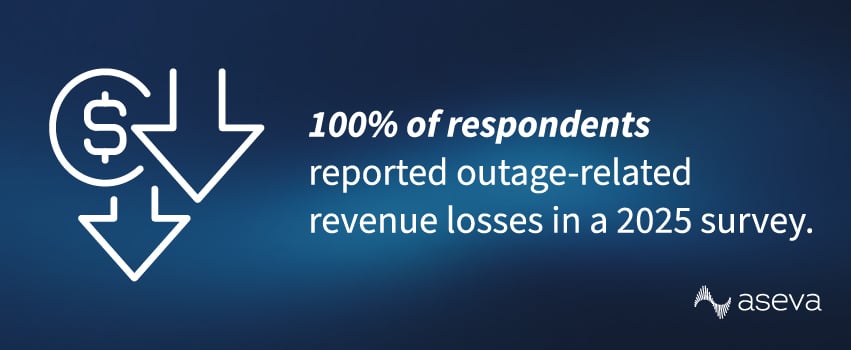
Whether you're running a small business or managing IT for a multi-site enterprise, your network is the backbone of everything you do. But without proper oversight, even a minor issue can cascade into costly downtime. A 2025 survey showed per-outage losses ranging from $10,000 to more than $1,000,000, with 100% of the respondents reporting outage-related revenue losses over the past year.1
Network management is what keeps your operational backbone strong. In this guide, we'll break down the network management definition, explore the key components and tools involved, and share best practices to help your IT team stay ahead of problems before they become emergencies.
What Is Network Management?
Network management includes the processes and tools used to administer, operate, and maintain an IT network. The goal is to ensure your network performs reliably, remains secure, and can scale as your business grows.
Complete computer network management covers everything from monitoring individual user devices to enforcing security policies company-wide and planning for future capacity. It's not a single tool or task – it's an ongoing discipline that spans your entire IT environment.
IT network management applies to both physical and virtual infrastructure, including routers, switches, firewalls, wireless access points, cloud resources, and the connections between them. With networks now spanning on-premises data centers, remote users, and multi-cloud environments, the stakes of getting network management right keep getting higher.
Why Do Businesses Need IT Network Management?
Without a disciplined approach to network management, issues like failed networks, drifting configurations, and unexpected traffic spikes can go undetected until they cause real harm – whether that's a security breach, a compliance violation, or a complete service outage.
Proper network management reduces these risks by providing:
- Reliability: Continuous monitoring can help your teams identify bottlenecks and failures before your users are impacted, reducing costly downtime.
- Security: Network device management simplifies policy enforcement, vulnerability patching, and detecting suspicious behavior across your infrastructure.
- Visibility: You can't secure or optimize what you can't see. Centralized network management gives IT teams a clearer picture of everything happening across the network.
- Compliance: Many regulatory frameworks require documented controls over network access, configuration changes, and incident response. Strong management practices help you meet those requirements.
At Aseva, we've seen firsthand how organizations that invest in proactive network management spend less time fighting fires and more time driving business outcomes. It's the difference between reacting to problems and preventing them.
Network Management System Components
A network management system (NMS) is the platform or set of tools used to centralize and automate network oversight. Here’s what a complete solution should include:
Performance Monitoring
Performance monitoring tracks metrics like latency, packet loss, bandwidth utilization, and uptime across all your network-connected devices. These tools generate alerts when thresholds are exceeded, giving your team the context to act quickly.
Fault Management
Fault management makes it easier to detect, isolate, and resolve network problems. If a device goes offline or a link degrades, a fault management solution can log the event, trigger alerts, and help IT teams trace the issue to its root cause.
Configuration Management
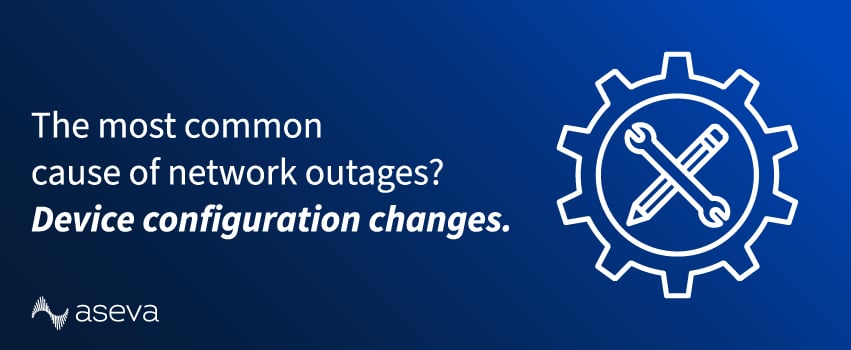
Network engineers cited device configuration changes as the most common cause of network outages in a 2025 report.2 Configuration management tools track these changes, enforce standard configurations, and help restore settings when something goes wrong.
Security Management
Network security management within your computer network management system controls access policies, monitors for unauthorized activity, and ensures devices are patched and compliant. This component works closely with your broader cybersecurity stack, including firewalls, intrusion detection systems, and endpoint protection.
Capacity Planning
Capacity planning tools use historical performance data to forecast future demand and identify where upgrades or reconfigurations are needed before performance degrades. Good capacity planning prevents growth from becoming a network liability.
What Are Network Management Tools?
Network management tools are the software platforms and systems used to implement each component of your management strategy. If you're wondering what network management tools specifically are, they typically fall into a few categories:
- Network Monitoring: Tools like SolarWinds, PRTG, and Cisco DNA Center provide real-time visibility into device health, traffic flows, and performance metrics.
- Configuration Management: These automate the deployment and auditing of device configurations, reducing the risk of human error and configuration drift.
- SIEM Platforms: Security Information and Event Management (SIEM) solutions aggregate logs and events from across the network to identify threats and support compliance reporting.
- SD-WAN: Software-defined WAN solutions give IT teams centralized control over network traffic, routing, and policy enforcement – particularly valuable for multi-site organizations.
- Network Performance Management: These provide deep analytics on application performance, user experience, and traffic patterns to support both troubleshooting and optimization.
The right combination of IT network management tools depends on the size and complexity of your environment. Smaller organizations may consolidate several functions into a single platform, while larger enterprises often use specialized tools for each layer.
At Aseva, our managed network services include access to enterprise-grade monitoring and management platforms – without the overhead of sourcing, licensing, and maintaining them yourself. We bring the tools, the expertise, and the 24/7 support to keep your network performing at its best.
7 Essential Network Management Best Practices
Having the right tools is only part of the equation. How you use them determines whether your network management program actually delivers results. Here are the network management best practices that make the biggest difference:
1. Maintain an Up-to-Date Network Inventory
Start by building a thorough inventory of every device and application connected to your network. Make sure to keep it current as devices are added, removed, or reconfigured, as this should serve as the source of truth for your troubleshooting efforts. Automated discovery tools can help your teams maintain accuracy without manual effort.
2. Define and Document Your Configuration Standards
Establish baseline configurations for every type of device in your network, including routers, switches, firewalls, and access points. Documenting these standards will be critical for helping your teams detect drift, onboard new devices consistently, and recover quickly after an incident.
3. Monitor Continuously, Not Just When Problems Happen
Reactive monitoring means you find out about problems after your users have been affected. Continuous monitoring with proactive alerting lets your team catch issues like performance degradation, unusual traffic patterns, and failed devices – before they impact operations.
4. Automate Routine Tasks
Manual processes create inconsistency and slow your team down. Automation can handle repetitive tasks like configuration backups and patch deployment, freeing up your IT staff for higher-value work.
5. Segment Your Network
Network segmentation divides your infrastructure into zones with controlled access between them, limiting the blast radius of a security incident and making it easier to enforce least-privilege access policies. Segmentation is a core element of both security and IT network management strategy.
6. Test and Validate Changes Before Deploying
Every configuration change carries risk. Establish a change management process that includes testing in a staging environment before actually pushing changes to production. Keep your rollback procedures documented and ready in case something goes wrong.
7. Review and Audit Regularly
Network management is not a set-it-and-forget-it discipline. Scheduled audits of your configurations, access policies, and performance baselines help you catch issues before they become emergencies – and ensure your environment stays aligned with your security and compliance requirements.
How Important Is Network Device Management?
Network device management focuses specifically on the routers, switches, firewalls, access points, and other hardware that make up your infrastructure. It includes provisioning, monitoring, patching, and decommissioning physical and virtual devices throughout their lifecycle.
With effective device management in place, every piece of hardware in your environment should be running supported firmware, configured to your standards, and actively monitored for health and availability. It also gives you a clear audit trail for compliance purposes.
Aseva’s network consulting and infrastructure services help clients build and maintain a structured approach to device management, from initial design and deployment through ongoing monitoring and lifecycle planning. Our team acts as an extension of yours, so your IT staff can handle strategic priorities rather than day-to-day device oversight.
Simplify IT Network Management With Aseva
Network management isn’t about having the most expensive tools or the biggest team. It's about having the right processes, consistent oversight, and the expertise to make smart decisions when problems appear. That's what separates the businesses that are constantly fighting fires from the ones that prevent them in the first place.
At Aseva, we've been helping businesses build, manage, and secure their networks for over 30 years. Our managed network services and managed network security solutions give you access to enterprise-grade tools, proven processes, and a team of certified engineers – without the overhead of building that capability in-house.
Whether you're looking to improve visibility, close security gaps, or simply take the burden of day-to-day management off your internal team, we're here to help. Get in touch today to speak with one of our network experts and find out what better-managed IT looks like for your business.
Sources: