Each device that connects to your network represents a potential entry point for attackers – and most organizations have far more of them than they realize. Laptops, desktops, mobile devices, servers, virtual machines, point-of-sale systems, IoT devices: each one is an endpoint, and each one needs to be protected.
Microsoft research shows that 80–90% of successful ransomware attacks come from unmanaged devices.1 Endpoint protection is the discipline that closes that attack surface.
In this guide, we'll walk through what endpoint protection actually does, why it matters more than ever, and what to think about when choosing a solution that fits your environment.
What Is Endpoint Security?
Endpoint security is what protects the devices that connect to your corporate network from cyber threats. It includes the policies and tools that help you prevent unauthorized access and respond to threats targeting those devices.
Traditional antivirus tools were the first generation of endpoint security. They worked by matching files against known malware signatures, but that approach is no longer sufficient. Modern threats like fileless malware, supply chain attacks, and social engineering payloads bypass signature-based detection, which is why endpoint security has had to evolve into a more sophisticated discipline.
Why Is Endpoint Security Important?
Endpoint security has become one of the highest-priority disciplines within cybersecurity for several reasons:
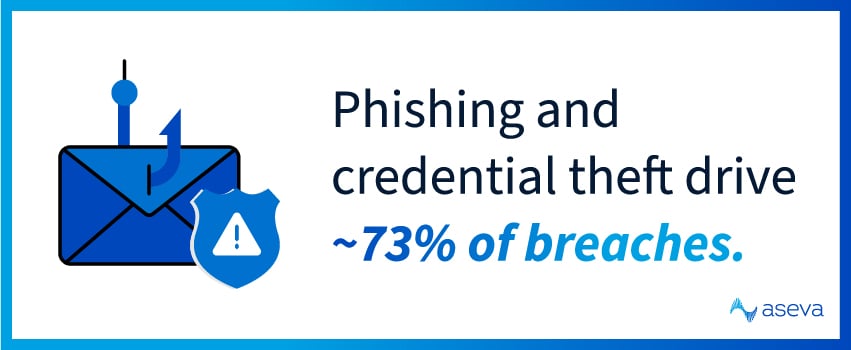
- Phishing and credential theft drive approximately 73% of breaches.2 making endpoint compromise the entry point for most attacks your organization will face.
- Remote and hybrid work expanded the attack surface. Employees connecting from home networks, coffee shops, and personal devices need endpoint protection that enforces security where the user is, rather than at the perimeter that no longer exists.
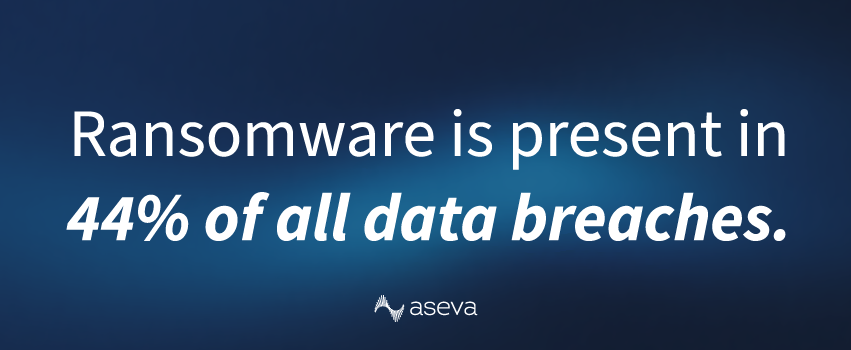
- Ransomware continues to grow. Ransomware is now present in 44% of all data breaches, up from 32% last year3 with most of these incidents starting at endpoints that weren’t defended.
- Compliance requires it. Most major regulatory frameworks – PCI DSS, HIPAA, SOC 2, CMMC – require demonstrable endpoint security controls. Many cyber insurance policies also require modern endpoint protection as a condition of coverage.
- Attackers target small and mid-size businesses. The myth that smaller organizations aren't on attackers' radar has been thoroughly disproven. In reality, smaller businesses are increasingly targeted because they usually have weaker defenses.
Without proper endpoint security, your organization is exposed to the primary attack vectors that threaten companies of every size.
What Is Endpoint Protection?
Endpoint protection refers to the modern, integrated approach to defending endpoints – combining prevention, detection, response, and management capabilities into a unified strategy. Where traditional antivirus was a reactive tool, endpoint protection is proactive: it uses behavioral analysis, machine learning, threat intelligence, and automation to identify and stop threats that signature-based tools would miss entirely.
What Is Endpoint Security Software?
Endpoint security software is often used as a synonym for endpoint protection software, though some vendors use the term more broadly to include the centralized management console that administers policies across the endpoint fleet.
In either case, the goal is to enforce consistent security controls on every device in your environment without requiring constant manual oversight.
What Is Endpoint Protection Software?
Endpoint protection software refers to the application that runs on each endpoint device. It typically includes anti-malware, behavioral monitoring, exploit prevention, application control, and device control functions. This is the agent that actually sits on your laptops, servers, and other endpoints – collecting telemetry and enforcing security policies in real time.
What Is Endpoint Protection Platform (EPP)?
An endpoint protection platform (EPP) is the integrated solution that combines endpoint protection software with centralized management, reporting, and policy enforcement. EPPs are typically delivered as cloud-managed platforms today, allowing security teams to administer thousands of endpoints from a single console.
Modern EPPs often integrate with endpoint detection and response (EDR) capabilities, which add deeper investigation, threat hunting, and response functionality on top of preventive controls.
What Is Endpoint Protection Service?
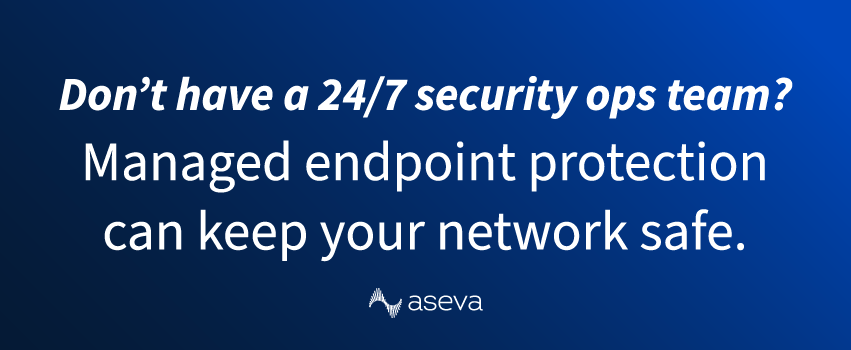
An endpoint protection service is a managed offering where a security provider takes responsibility for deploying, configuring, monitoring, and responding to threats on your endpoints. This shifts the operational burden – and the requirement for specialized expertise – from your internal team to a partner who runs the program full-time.
For organizations without a dedicated 24/7 security operations team, a managed endpoint protection service is often the practical path to enterprise-grade protection.
How Does Endpoint Security Work?
To fully understand how endpoint security works in a modern environment, it helps to break it down into the layers that operate together to keep endpoints protected.
Prevention
The first layer, prevention, stops threats before they can execute. This should include:
- Traditional anti-malware scanning
- Exploit prevention that blocks attempts to leverage software vulnerabilities
- Application allowlisting that restricts which programs can run
- Device control that governs what peripherals can connect
Strong prevention dramatically reduces the volume of incidents that have to be investigated downstream.
Detection
Detection capabilities like behavioral analysis, machine learning-driven anomaly detection, and threat intelligence integration identify suspicious activity that gets past preventive controls. Modern endpoint platforms continuously analyze network connections, file modifications, and user activity, comparing what they observe against patterns of known malicious behavior.
Response
When a threat is identified, the platform needs to take action by:
- Isolating the affected endpoint from the network
- Killing malicious processes
- Rolling back unauthorized changes
- Preserving forensic evidence
Automated response is essential because attackers move fast; the longer it takes to contain an incident, the more damage they can do.
Management and Visibility
Underlying all of this is the management layer – the console where security teams configure policies, monitor health across the endpoint fleet, investigate incidents, and generate reports. Good endpoint management gives security and IT teams the ability to enforce consistent controls at scale, without requiring manual configuration of every device.
6 Benefits of Endpoint Security
The business case for modern endpoint protection extends beyond "stopping malware." The benefits of endpoint security in a well-implemented program include:
- Reduced breach risk and faster containment of incidents that do occur
- Lower operational burden on IT teams, with automated remediation handling routine threats
- Better visibility into what's actually running across your endpoint fleet
- Simplified compliance and audit preparation
- Improved support for cyber insurance applications and renewals
- Protection that follows users wherever they work, on or off the corporate network
These benefits depend heavily on choosing the right platform and configuring it correctly. At Aseva, our managed endpoint security services focus on both – making sure the technology is the right fit for your environment and that it's deployed and tuned to deliver actual results.
Strengthen Your Endpoint Protection Strategy With Aseva
There are more than 3,000 cybersecurity vendors in the market, and dozens of endpoint protection platforms claiming to be the best. Leading platforms like CrowdStrike Falcon, SentinelOne Singularity, and Microsoft Defender for Endpoint offer different strengths, so how do you determine which is actually right for your needs?
At Aseva, we work across these and other leading platforms – not as a reseller of one specific product, but as an advisor whose job is to help you choose what fits. For nearly 30 years, our certified engineers have helped businesses make the right technology decisions and stay protected from evolving threats.
We handle implementation, integration with your broader cybersecurity stack, and ongoing management – including support for MDR and SOC services. If you're currently evaluating endpoint protection options or looking for an honest assessment of where your defenses stand, we can help.
Get started today to connect with one of our cybersecurity experts and find out what the right endpoint protection strategy looks like for your business.
Sources: