Most organizations have a cybersecurity program. Fewer have a cloud security program. They treat the two as if they're the same thing, and that assumption creates exposure.
While network firewalls, endpoint protection, and intrusion detection tools work for traditional IT infrastructure, cloud environments work differently. You don't own the underlying infrastructure, you don't control the network layer, and you're relying on a shared responsibility model that most security teams still don't fully understand. The gap between what organizations think they're protecting and what they're actually protecting is real, and attackers are happy to exploit it.
In this guide, we’ll break down the cloud security vs. cyber security distinction clearly – so you can make smarter decisions about where your defenses are strong and where they need work.
What Is Cyber Security vs. Cloud Security?
Cybersecurity and cloud security serve related but separate roles in protecting your organization. Here are the basics:
Cybersecurity
Cybersecurity is the broad discipline of protecting your digital systems, networks, devices, and data from unauthorized access, damage, and attack. It covers everything from endpoint protection and network security to identity management, threat detection, incident response, and security awareness training.
Cybersecurity applies to any environment where digital assets exist – on-premises servers, employee laptops, network infrastructure, SaaS applications, and yes, cloud environments too.
The scope of cybersecurity is wide by design. It encompasses the policies, processes, tools, and people that collectively protect an organization's technology assets and the data those assets hold.
Cloud Security
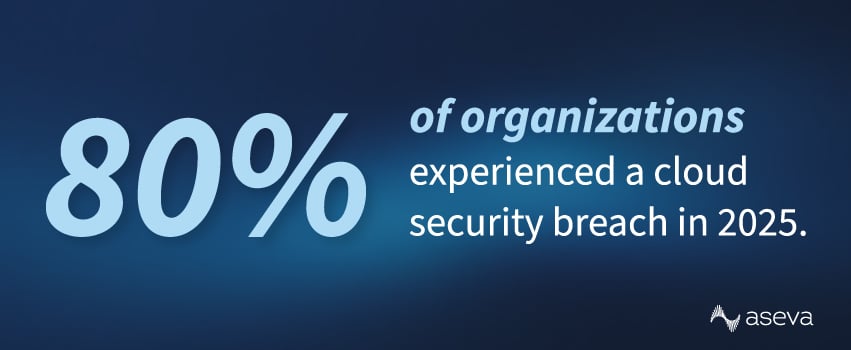
Cloud security is a subset of cybersecurity that focuses specifically on protecting cloud-based infrastructure, platforms, and data – a must, considering 80% of organizations experienced a cloud security breach last year.1
Cloud security addresses the risks that come with cloud environments, including:
- Shared responsibility models
- Dynamic resource provisioning
- Misconfigurations
- Identity sprawl
- Data sovereignty
Cloud security includes capabilities like cloud security posture management (CSPM), cloud workload protection, identity and access management for cloud resources, data encryption, and security controls for cloud-native applications and services across platforms like AWS, Azure, and Google Cloud.
Cloud Security vs. Cyber Security: The 4 Key Differences
The simplest way to frame the cloud security vs. cyber security distinction is scope and environment.
Cybersecurity is a discipline. Cloud security is a domain within it – one that requires specialized tools, expertise, and approaches because cloud environments behave differently than traditional IT infrastructure.
Here are the most important differences:
1. Scope of Coverage
Cybersecurity covers the whole spectrum of digital risk across every environment an organization operates in – physical servers, network devices, endpoints, SaaS applications, and cloud platforms.
Cloud security focuses on the cloud layer:
- Configurations
- Access controls
- Data flows
If your organization has a strong cybersecurity posture without dedicated cloud security, you’re leaving a significant portion of your IT infrastructure under-protected.
2. Threat Landscape
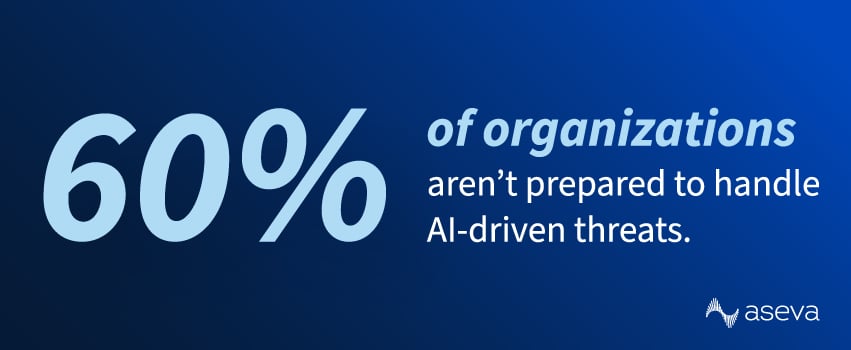
Traditional cybersecurity defends against common digital threats like malware, phishing, ransomware, and network intrusion – all of which are on the rise as more cybercriminals embrace AI, which 60% of organizations said they weren’t prepared to handle in a 2026 survey.2
Cloud security addresses a distinct but overlapping set of threats, including misconfigured storage buckets, overly permissive IAM policies, insecure APIs, compromised credentials with cloud console access, and data exposure resulting from the shared nature of cloud platforms.
3. Shared Responsibility
When it comes to cloud security, the providers – like AWS, Azure, and Google Cloud – are responsible for securing the data centers, hypervisors, and networking fabric of the cloud services they offer. The customer is responsible for securing everything built on top of that infrastructure: the configurations, access controls, data, and applications.
Cybersecurity assumes the organization is responsible for the full stack. Knowing where the cloud provider's responsibility ends and your responsibility begins is an important element of cloud security that has no direct parallel in traditional cybersecurity.
4. Tooling and Approaches
Cybersecurity relies on tools like firewalls, endpoint detection and response (EDR), SIEM platforms, vulnerability scanners, and intrusion detection systems.
Cloud security requires a different set of capabilities:
- CSPM tools
- Cloud access security brokers (CASBs)
- Cloud-native application protection platforms (CNAPPs)
- Identity governance solutions
The two sets of tools are complementary, not interchangeable.
Is Cloud Computing Part of Cyber Security?
The short answer is no, cloud computing is not part of cybersecurity.
Cloud computing refers to the delivery of computing services – storage, compute, networking, databases, analytics – over the internet, on demand. Cybersecurity describes the practice of protecting those services (and all other digital assets) from threats and unauthorized access. Cloud security is the application of cybersecurity principles and purpose-built tools to the cloud computing environment, specifically.
So while cloud computing isn’t part of cybersecurity, securing your cloud assets is absolutely part of a complete cybersecurity strategy. Security is a top cloud computing concern for more than 83% of companies,1 which is why including cloud security in your cybersecurity strategy.
Cybersecurity vs. Cloud Security: Why You Need Both
The cloud security vs. cyber security debate is ultimately a false choice. You need both – and you need them to work together. Here's why:
- Your endpoints, network, and identities require cybersecurity protections regardless of where your workloads run. A compromised endpoint can be the entry point for a cloud breach.
- Your cloud environments require dedicated cloud security tools and practices that general cybersecurity platforms aren't designed to provide. CSPM, cloud identity governance, and workload protection address risks that a traditional firewall or EDR tool simply cannot see.
- The boundary between on-premises and cloud is increasingly blurred. Hybrid environments require security that spans both without leaving seams for attackers to exploit.
- Compliance frameworks increasingly require specific cloud security controls alongside traditional security requirements – particularly in regulated industries like healthcare and financial services.
The organizations that handle this best integrate cloud security into their overall cybersecurity strategy. At Aseva, we designed our cloud security managed services and CSPM solutions with that integration in mind. We’ll help you find the right security tools to protect your traditional and cloud environments alike.
Build a Security Strategy That Covers Both With Aseva
Acting like cloud security and cybersecurity are the same thing leads to gaps in your defenses, and gaps are where breaches happen. A complete security posture addresses both the traditional attack surface and the cloud environment, with the right tools and expertise applied to each.
At Aseva, we take a vendor-agnostic approach to security strategy. We're not tied to any single platform or provider – we work with leading vendors across the cybersecurity and cloud security market, and bring our own certified engineers and network infrastructure expertise to every engagement.
Whether you need help assessing your current security posture, selecting and deploying the right tools, or managing your cybersecurity program on an ongoing basis, we're here to help you build something that actually works. Talk to one of our security experts today and find out where your coverage stands – and what it would take to close the gaps.
Sources: